Cleaning vs. maintenance for kitchen exhaust systems
How cleaning, inspection, preventive maintenance and repairs fit together.
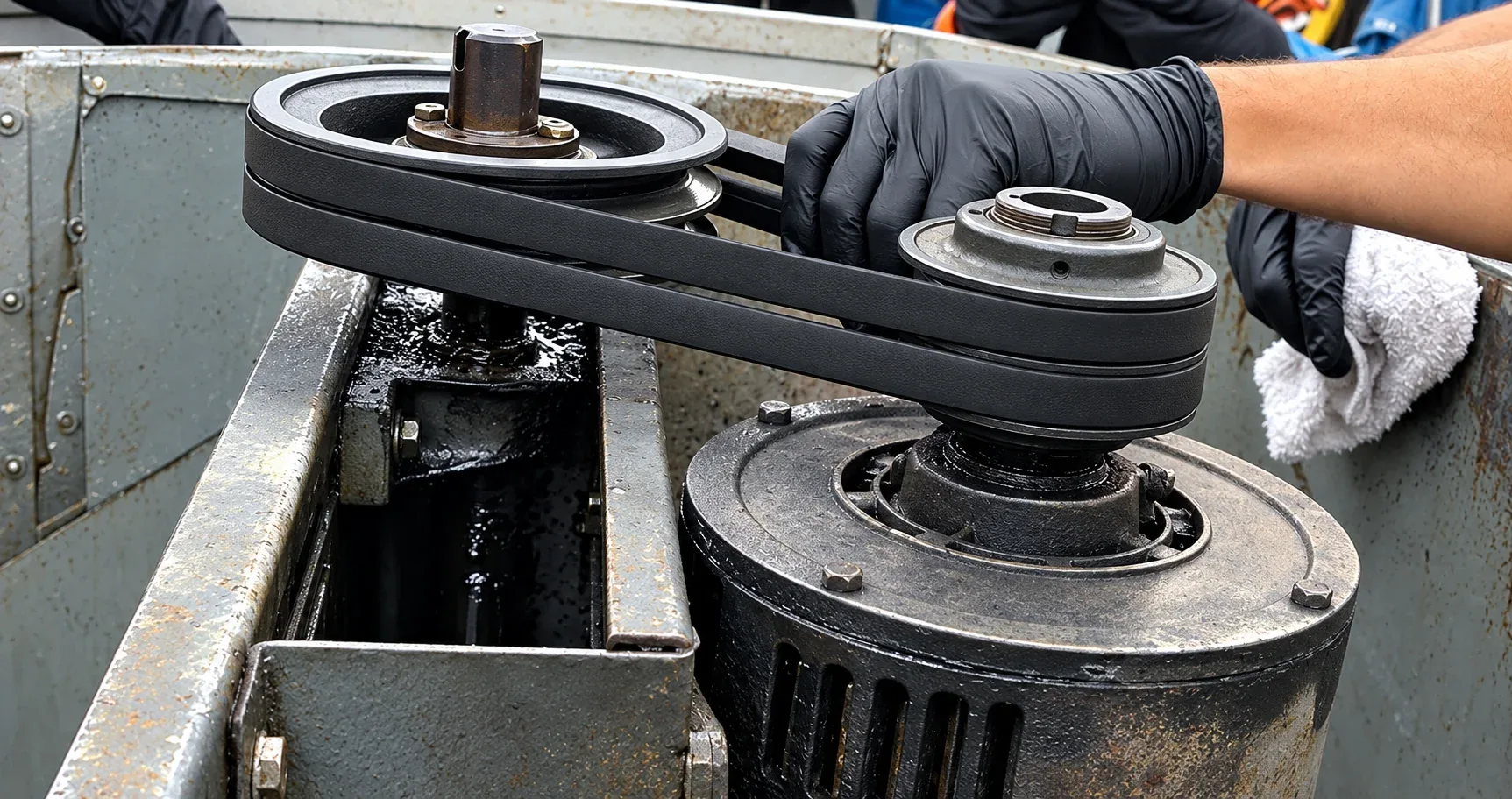
Hood systems last longer and stay easier to clean when someone is paying attention between full services. This checklist is not a maintenance contract — it is a practical way to split hood care between what your team can see day to day and what belongs to a professional cleaning and maintenance visit.
A hood system that is only cleaned when it looks bad is usually cleaned too late. Grease collects gradually on canopy surfaces, filters and accessible exhaust components; by the time it is obvious, the next cleaning is more difficult, and the system may be pulling less air than the kitchen expects.
A simple routine — watching visible condition between visits, and booking cleaning and maintenance at sensible intervals — catches most of the risk without turning your staff into technicians.
Keep it visual. This checklist covers what staff can safely see and note from floor level. Touching, adjusting or dismantling exhaust components is not a job for kitchen staff.
These are glance-level checks. Note anything unusual and pass it to whoever manages the booking:
Book a cleaning or maintenance visit when any of the following shows up, regardless of the calendar:
Before booking, ask the questions that prevent disagreement later:
A maintenance rhythm only works if the records back it up. Keep a simple log — a spreadsheet or notebook is fine — with four fields per visit:
Grease Shields provides service documentation after each cleaning or maintenance visit; a copy of it belongs in the same place as your own notes.
If your hood system has no recent records, or any of the booking reasons above apply, the first step is an assessment rather than a fixed plan. Grease Shields cleans and maintains hood, canopy, filter and accessible exhaust components in St. John's and across the Island of Newfoundland — see the hood cleaning and maintenance service or request a quote.
Local requirements are set by your authority having jurisdiction (AHJ), and their requirements beat any general guidance — including anything on this page.